Advancing Knowledge for Impact
Connecting Data to Real World Outcomes
Dr. Williams-Butler’s research agenda is dedicated to bridging the gap between rigorous academic inquiry and real-world clinical application. Her work does not merely observe systemic inequities; it seeks to dismantle them by providing evidence-based frameworks necessary for systemic reform. Dr. Williams-Butler’s interdisciplinary background allows her to speak fluently to clinicians and researchers, translating complex psychological theories into actionable social welfare policies.
Core Research Pillars
Dr. Williams-Butler’s research portfolio is organized around three pillars designed to address the multifaceted challenges facing marginalized youth and families.
Strengths-Based Science
Rather than focusing solely on deficits, Dr. Williams-Butler’s research utilizes strengths-based science. This approach identifies the inherent assets within individuals and communities—such as social support and community networks—that can be leveraged to promote positive developmental outcomes even in the face of structural adversity.
Child Well-being
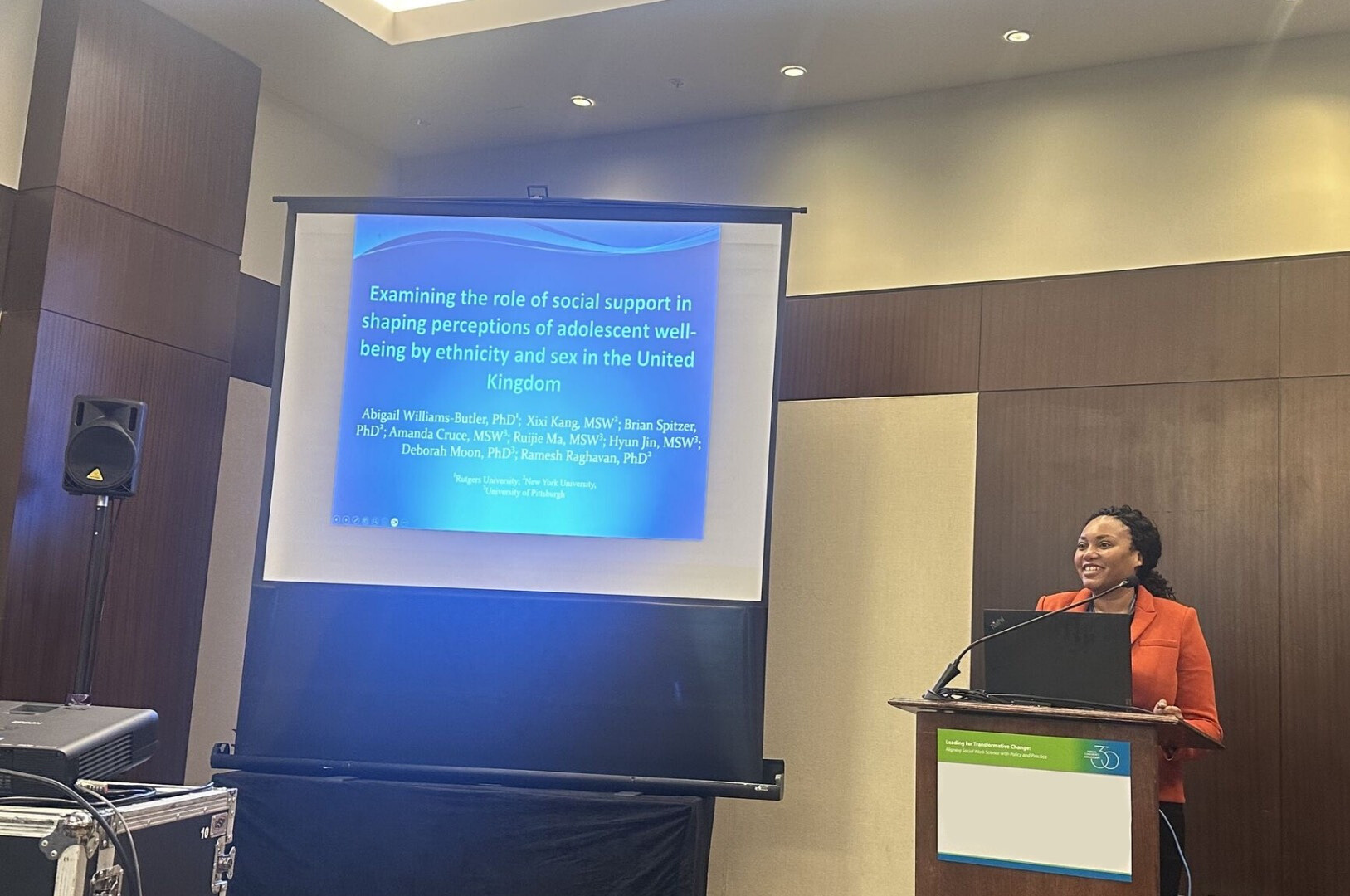
Dr. Williams-Butler’s research focuses on identifying protective factors within a youth's social network to foster child well being such as relational permanence and connections to pro-social peers and mentors to deter negative outcomes. By identifying these mechanisms, she provides practitioners with clear pathways to foster resilience.
Trauma - Informed Care
Dr. Williams-Butler focuses on trauma - informed care particularly as it relates to racialized gender differences and the unique challenges faced by children, adolescents, and families, advocating for practices policies that are both culturally and gender-responsive.
Engage with the Research
Are you an academic institution, a prospective doctoral student, or a policy maker looking to implement evidence-based change? Dr. Abigail Williams-Butler welcomes inquiries regarding research collaborations, speaking engagements, and mentorship.